Elegance Uninterrupted: Quietly Smarter Homes

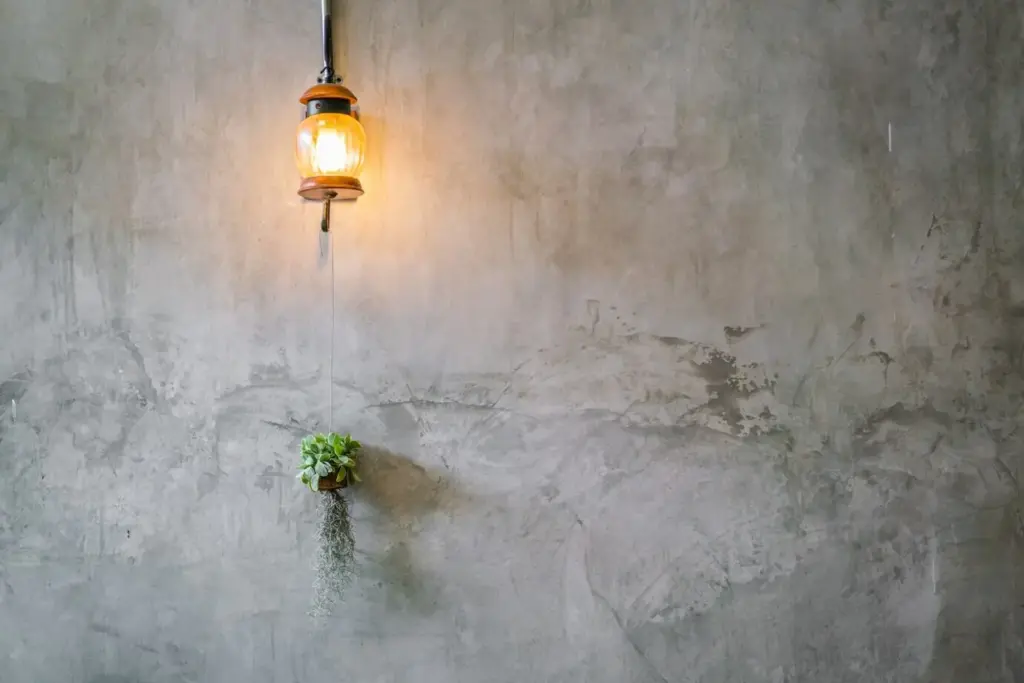
Today we explore hidden smart home integrations that preserve a refined aesthetic, proving technology can serve with dignity rather than dominate with distraction. From concealed wiring to architectural lighting and discreet controls, discover how thoughtful planning allows convenience, comfort, and security to breathe in harmony with minimalist lines, warm materials, and timeless proportions—inviting you to live beautifully without visible clutter or gadget fatigue.

Design Comes First

A serene interior begins with choices that honor architecture before gadgets. When planning, ask how each capability enhances rituals, flow, and light, then embed infrastructure so devices gracefully disappear. The goal is not less technology, but better choreography—function subordinated to form, and interfaces that feel inevitable rather than imposed, welcoming guests with calm rather than screens and blinking lights.

Room-by-Room Concealment Strategies

Walk each room and decide what should be seen, touched, or sensed—then hide the rest. Mount equipment in cabinets with ventilation, align sensors within shadow lines, and consolidate hubs in a central closet. Consider how sunrise, dinner, and quiet evenings unfold, so every invisible decision supports the narrative of daily life rather than interrupting it with cables or countertop clutter.

Wire Management and Power Foresight

Discretion depends on infrastructure. Pull extra low-voltage runs to likely future locations, place outlets behind furniture and art, and specify recessed boxes for flush-mounted gear. Provide conduit where walls are difficult, isolate noisy power from audio lines, and label everything. Thoughtful routing prevents awkward compromises later, preserving crisp detailing even when technology evolves or a new device unexpectedly joins your household.

Networking That Disappears

Strong wireless coverage is essential, yet access points need not intrude. Use ceiling paintable enclosures, hide nodes above closets, and backhaul with Ethernet to reduce visible clutter. Separate guest networks, prioritize critical devices, and log performance to anticipate issues. The result feels effortless: streaming never stutters, automations fire reliably, and you rarely think about the network because it simply works, silently.

Materials, Finishes, and Camouflage

Graceful concealment relies on finishes that welcome technology without showcasing it. Use fabric grilles color-matched to walls, millwork panels with invisible hinges, and stone or wood reveals that swallow edges. When surfaces are calm and continuous, sensors, speakers, and control points tuck away like stagehands behind a velvet curtain. The eye travels uninterrupted, and the room’s character remains sovereign.

Lighting Without the Clutter

Light sets the mood, so controls should recede into the background. Favor architectural fixtures, thoughtful beam spreads, and scene-based dimming that reduces wall acne. Replace banks of switches with single-keypad elegance or app-driven scenes. When daylight, indirect glow, and precise accents collaborate, rooms feel poised from sunrise mail to midnight tea—never asking you to negotiate a confusing grid of toggles again.

Invisible Speakers and Plaster-Over Systems

Modern transducers embed behind skim coats, turning surfaces into sound sources. After finishing, they vanish entirely, revealing themselves only when music begins. Proper placement, isolation, and EQ deliver clarity without localization. Pair with vibration-damping to protect finishes, and coordinate with painters early. The result feels like an architectural instrument—present, responsive, and stunningly discreet in both daylight and candlelight.

Low-Profile Bass in Thoughtful Furniture

Bass modules can nest within credenzas or banquettes, firing through engineered vents or fabric panels. Decoupling feet limit resonance, while DSP smooths room modes. You get satisfying depth for cinema and jazz nights without a black cube in the corner. Guests hear fullness, not furniture, and the visual rhythm of cabinetry remains poised, anchored by proportion rather than protruding technology.

Acoustic Treatments Disguised as Art

Reflections soften when absorbers and diffusers masquerade as canvases, slatted walls, or sculptural textiles. Choose prints that complement existing palettes, and vary depth for broadband performance. Rooms grow intimate, conversation becomes easier, and recordings bloom. No one suspects the gallery wall doubles as a listening upgrade; they simply feel inexplicably comfortable lingering for another song, another story, another glass.

Comfort and Climate, Silently Intelligent

Comfort should be sensed, not announced. Quiet zoning, refined vent grilles, and blended thermostats keep lines undisturbed while temperatures remain precise. Motorized shades partner with glazing to modulate heat and glare, and ceiling fans whisper on schedule. The experience is effortless: seasons shift, fabrics stay cool to the touch, and air quality remains invisible yet reassuring in every shared room.

Thermostats That Blend In

Opt for low-profile controllers with remote sensors, or hide displays within millwork where a subtle tap reveals controls. Paintable covers and restrained typography respect material palettes. The system anticipates occupancy patterns, smoothing temperature swings without constant micromanagement. You feel the result as steady, breathable comfort—never as a glowing puck interrupting the narrative of a beautifully considered hallway wall.

Shades That Move Like an Afterthought

Whisper-quiet motors tucked into ceiling pockets lower fabric with practiced calm. The hembar aligns perfectly with mullions, and the weave filters glare while preserving view. Automations follow sun arcs yet yield instantly to a manual nudge. Guests notice effortless light, not machinery. Upholstery, art, and wood stay protected, and mornings feel curated rather than rushed by harsh brightness.

Zoning, Venting, and Peaceful Performance

Right-size equipment, oversized ductwork for lower velocity, and distribute returns to avoid drafts. Hidden sensors monitor humidity and particulates to trigger gentle responses. Hall closets house air handlers behind gasketed doors, and maintenance access remains considerate. The atmosphere reads as silence and freshness, not technology, supporting conversation, concentration, and rest without a single visible clue of the orchestration behind it.

Security and Access with Grace

Safety can coexist with serenity. Door hardware with refined profiles conceals smart cores, and cameras tuck into architectural recesses with privacy modes engaged by schedule. Notifications arrive thoughtfully, not anxiously. The home feels attentive yet polite, guarding entries, watching perimeters, and welcoming family without announcing its vigilance through aggressive styling, blinking LEDs, or intimidating gadgets poised on every surface.
Select compact modules, paint matched to fascia or soffits, and limit fields of view to necessary zones. Enable geofenced privacy so indoor lenses sleep when you are home. Store footage securely, delete by policy, and share sparingly. The message to loved ones and guests is clear: comfort first, vigilance second, and appearances never sacrificed for the sake of conspicuous security theater.
Choose locks with minimalist escutcheons and hidden keypads under sliding covers. Video intercoms can be recessed into stone or concealed behind metal grilles, speaking clearly without shouting visually. Lighting cues guide visitors softly, while access rules adapt for cleaners and couriers. Every arrival feels dignified, and the door remains an invitation rather than a billboard of electronics competing with craftsmanship.
Design notification tiers: urgent, routine, and silent logs. Use subtle haptics and concise summaries rather than sirens for noncritical events. Night modes dim phone glows and pause announcements. You stay informed yet unburdened, and tranquility survives the occasional package drop or gate trigger. Security shifts from constant performance to quiet readiness, confident in restraint as the ultimate luxury.

Control That Feels Natural

Interfaces should serve you with minimal ceremony. Keypads map to human rituals, voice wakes discreetly, and automations respect presence rather than force routines. A single beautiful control can replace a cluster of switches, while context-aware scenes quietly adapt. Share your favorite subtle control idea in the comments, and subscribe for new case studies where restraint becomes the most expressive design choice.
Nutezukaxihofutetapixe
Privacy Overview

This website uses cookies so that we can provide you with the best user experience possible. Cookie information is stored in your browser and performs functions such as recognising you when you return to our website and helping our team to understand which sections of the website you find most interesting and useful.